
Ruins of Dawn Crafting Materials
Forging mats from elites, Ruin Gems for ruins, Rift Keys for trials — what to farm, stash, and spend.
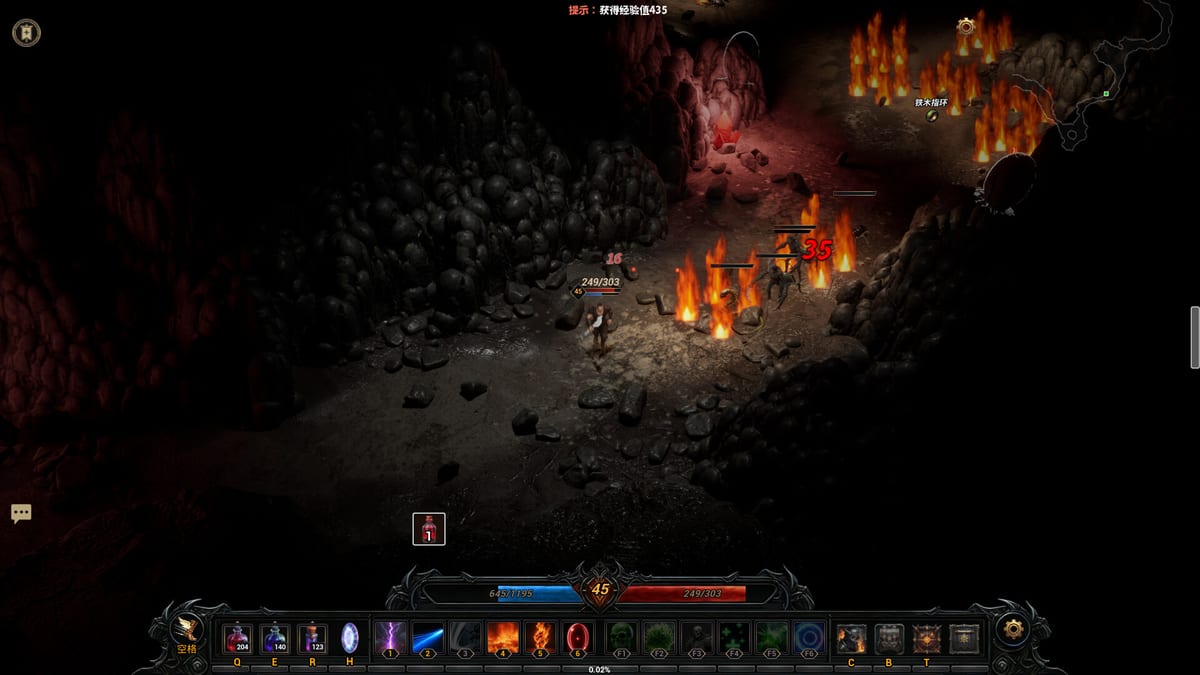
Not every valuable drop in Ruins of Dawn equips on your character. Forging materials from elites and bosses fuel extract, inject, reforge, and quality upgrade steps. Ruin Gems open Ruin Gem ruins with boss-packed routes. Rift Keys gate Rift Key trials full of traps and gatekeepers. Treat materials as progress currency — hoarding without a plan stalls growth; spending without resistances wastes keys.
This page maps material sources, spending priorities, and links to Items, Legendaries, Forging builds, and affix crafting for the full crafting loop ahead of the August 14, 2026 Steam launch.
Forging Materials — Core Crafting Fuel
Forging materials drop primarily from elite packs and bosses throughout open maps and system content. Public descriptions tie forging to four actions:
- Extract — pull one affix; destroys donor item.
- Inject — apply stored affix to compatible gear.
- Reforge — reroll affix outcomes on an item.
- Upgrade quality — raise item tier or potential.
Each action consumes mats whose exact names may vary by preview patch — track totals in a notebook or spreadsheet during RuinsofDawnDemo sessions. The Demo Guide suggests noting which elite routes feel most mat-efficient before launch rebalance.
Elite Farming Routes
Elites are the steady mat faucet:
- Run maps with dense elite packs when you need baseline forging stock.
- Pair elite clears with Bounties that target specific enemy types — double-dipping time.
- In co-op, split lanes so elites die simultaneously — see Co-op for pull pacing.
Do not ignore white or blue drops while mat farming; duplicates become extract donors described on Progression.
Boss Bonuses
Bosses deep in maps drop god-tier gear and typically shower bonus forging materials compared to trash packs. Push boss depth when:
- Resistances cover the path in, not just the boss itself.
- Potion binds from Controls are reflexive.
- You have stash space for both gear evaluation and mat overflow.
Ruin Gems — Entering Ruins
Ruin Gems are consumable keys for Ruin Gem ruins — instanced or routed content emphasizing boss-packed encounters and route-specific rewards. Gems are not generic forging ore; they are content tickets like trials keys.
Gem habits:
- Stock gems during normal mapping when side objectives or elites drop them — avoid buying panic runs later.
- Enter ruins when clear speed supports repeat farming — slow runs burn gems per minute inefficiently.
- Align ruin sessions with build goals — gem routes may favor socket rewards, mat types, or affix pools tied to Legendaries.
- Co-op ruins when party damage overlaps boss packs — communicate gate pulls from Ruins guide.
If gems are scarce in demo builds, prioritize one fully learned route over spreading attempts across every ruin portal.
Rift Keys — Entering Trials
Rift Keys open Rift Key trials — structured encounters with traps, gatekeepers, and elevated reward tables. Keys are higher stakes than casual rift invasions on the overworld.
Key spending rules:
- Never burn keys on under-geared attempts — failed trials waste tickets and morale.
- Fix resist gaps first via targeted Bounties or five-affix defensive pieces from Items.
- Bring trap awareness — trials punish autopilot movement; review Trials guide mechanics before spending.
- Budget emotionally — if losing a key would tilt you into sloppy forging, farm more keys first.
Keys and gems both belong in your endgame material mindset separate from stackable forging dust.
Material Budgeting for Forging Projects
Plan crafts as projects, not impulse clicks:
| Project stage | Material focus |
|---|---|
| First extract | Cheap donor duplicate; minimal mat tier. |
| Core inject | Save higher-tier mats for five-affix weapon or chest. |
| Reforge weak slot | Batch reforge one line at a time to avoid gear downtime. |
| Quality upgrade | Spend premium mats only when fractions on four-plus lines are stable. |
Cross-reference project plans with affix crafting worked examples and the affix glossary so inject targets match Warrior, Mage, or Warlock priorities.
Materials from Systems — Quick Map
Different systems recycle different material types back into crafting:
- Rift invasions — overworld rifts spawning on enemy death; mix of gear, forging mats, occasional key components.
- Trials — key spend; high-ceiling rewards including legendaries and dense mat bundles when cleared.
- Ruins — gem spend; boss-packed routes with route-specific drops.
- Bounties — board quests and elite scrolls; targeted mats and currency for reruns.
Read the Systems hub when choosing which ticketed content to farm tonight versus which open-map elite route fills passive mat needs.
Stashing vs Spending — Demo Discipline
Demo economies may feel generous or stingy depending on patch. Discipline stays constant:
- Maintain a forging reserve equal to at least one planned inject plus one reforge — prevents stuck gear.
- Cap key/gem attempts per session — two focused trial runs beat five tilted wipes.
- Convert junk gear to mats only after checking five-affix status and extract value on Items.
Track reserves using routines from Progression and the demo tracker tool when available.
Materials and Class Switching
Because classes swap freely, material spending should bias neutral gear projects until you commit:
- Defensive upgrades and resist packs benefit every class.
- Class-specific injects belong on swappable weapons after neutral layers are done.
- Revisit Classes before spending premium mats on a skill-specific affix you might abandon.
The class tier list helps pick a main before expensive quality upgrades.
Co-op Material Etiquette
Parties should clarify:
- Who consumes keys or gems for party attempts versus solo prep.
- Whether mat drops are shared loot or personal — know demo rules each patch.
- How forging mats from group farms feed individual Forging builds without account-wide bottlenecks.
Material fairness keeps co-op sustainable through launch.
When to Stop Farming Materials
Stop passive mat farming when:
- Your next bottleneck is fraction quality, not mat count — farm Items routes with better affix density.
- You have enough keys/gems for two planned attempts each — spend them before hoarding turns into fear.
- Forge queue is empty — no pending injects means mats should go toward quality upgrades or ticketed content.
Ruins of Dawn rewards players who convert materials into completed pieces, not infinite stockpiles.
Frequently Asked Questions
Quick answers to the most common questions.
Where do forging materials drop in Ruins of Dawn?
Primarily from elites and bosses in open maps, plus rewards from [Rifts](/systems/rifts/), [Trials](/systems/trials/), [Ruins](/systems/ruins/), and [Bounties](/systems/bounties/).
What are Ruin Gems used for?
Ruin Gems enter [Ruin Gem ruins](/systems/ruins/) — boss-packed routes with specialized drops. Stock them during normal farming before spending.
When should I spend Rift Keys?
When resistances and potion discipline support [Trial](/systems/trials/) traps and gatekeepers. Fix gear gaps first via [Items](/gear/items/) and [Bounties](/systems/bounties/).
Should I save all materials for launch?
Demo mats are practice. Learn spending rhythms on [Forging builds](/builds/forging/) now so launch week is execution, not guesswork.
How do materials relate to five-affix gear?
Five-affix bases justify premium mat spending. Do not upgrade quality on three-affix placeholders — see [affix crafting](/builds/affix-crafting/).