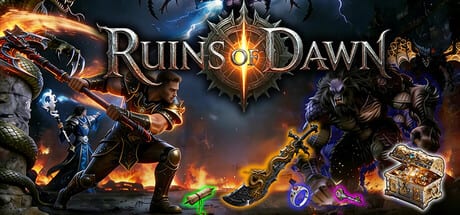
Ruins of Dawn Co-op Guide
Party up for rifts, trials, and boss farms — roles, communication, and progression habits for online play.
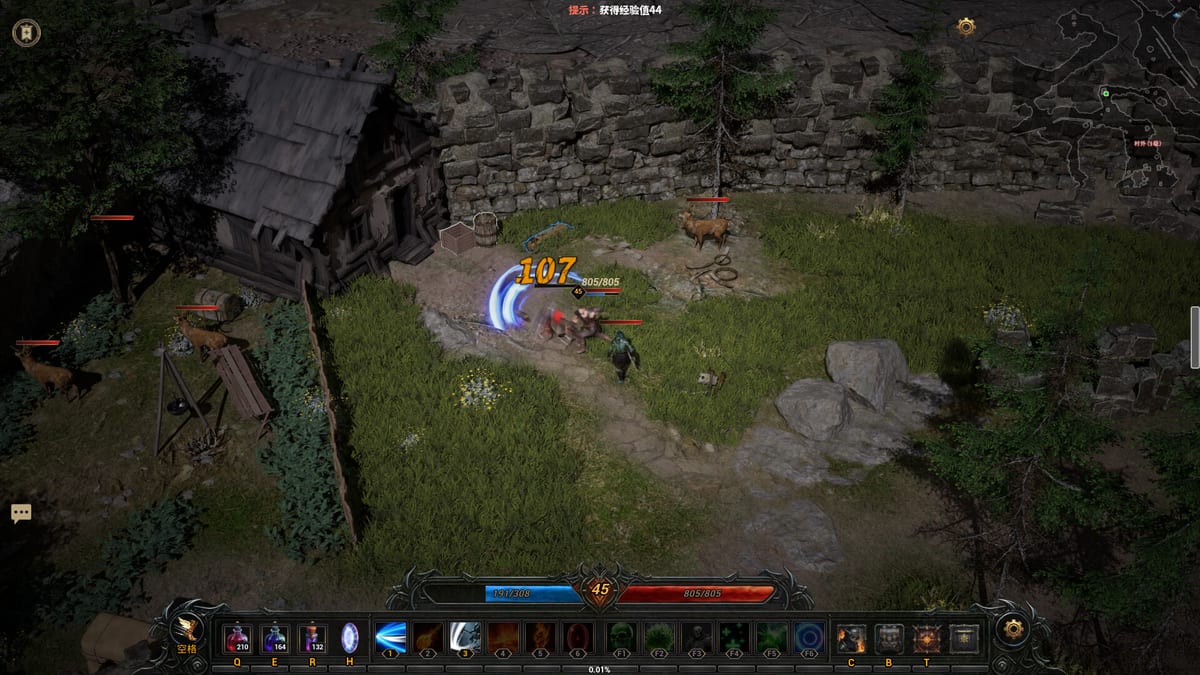
Ruins of Dawn supports online co-op, letting parties tackle elites, bosses, Rift invasions, Rift Key trials, Ruin Gem ruins, and bounties together. Cooperative play does not replace solo forging literacy — it amplifies it. Groups that share affix priorities, potion discipline, and portal etiquette clear faster and lose fewer keys.
This co-op guide covers role splits among Warrior, Mage, and Warlock, communication habits tied to Controls, and loot or crafting etiquette appropriate for the RuinsofDawnDemo and the planned August 14, 2026 launch.
How Co-op Fits the Ruins of Dawn Loop
At a high level, co-op compresses time but increases coordination cost:
- Pack damage overlaps — Mage area clears and Warlock pet lines cover space faster than solo kiting.
- Elite and rift modifiers punish split positioning; someone must anchor melee while others dodge telegraphs.
- Forging still happens in town — parties should agree when to H portal for stash management versus when to push one more pack.
Because you can switch classes anytime, co-op comps are flexible. Treat roles as session contracts: pick a party layout at login, swap only when the group respecs together.
Recommended Party Roles
No fixed trinity exists in preview materials, but demo-friendly role maps look like this:
| Role | Class fit | Co-op job |
|---|---|---|
| Front anchor | Warrior | Holds melee space, focuses boss single-target after waves |
| Wave clear | Mage | Deletes packs during rift invasions; best early clear reputation |
| Safe line holder | Warlock | Pets and ranged positioning reduce friendly fire mistakes |
| Flex | Any | Swaps to cover resist gaps or bounty targets |
Read Classes for kit detail and the class tier list for demo-era balance snapshots. Beginner builds help align skill bars so everyone uses similar F-key utility layouts from Controls.
Communication and Control Discipline
Co-op falls apart when five players independently lock targets and dash through allies. Standardize calls:
- Focus target — name elite affix or boss phase before pulling.
- Potion status — warn when Q/E/R slots are dry; slows pull speed.
- Portal call — say before H town portal so the party is not split across zones.
- Key spend — confirm before starting Rift Key trials that consume resources.
Bindings recap for cooperative clarity:
- Move with right-click or WASD; dash on Space — call dashes through allies when body blocking helps.
- Lock nearest on backtick — avoid stealing lock from the anchor unless you are the focus DPS.
- Auto-attack on G — keep during boss phases only if it does not break kiting paths.
- Skills on 1–6 and F1–F6 — announce big cooldowns that buff the party.
- Potions Q/E/R — share surplus consumables if the demo economy allows trading; otherwise sync town trips.
Practice these in low-risk packs before signing up for rift defense with strangers.
Loot Etiquette and Forging Boundaries
Random affix gear with fraction rolls (/5) creates natural tension in co-op. Agree on rules early:
- Need vs greed — class-specific upgrades go to the player who can inject immediately; neutral five-affix bases can rotate or go to whoever is crafting a core slot next.
- Five-affix reserves — parties pushing Forging builds should call dibs before the run so extract donors are not accidentally sold.
- Legendary drops — exciting but not auto-pass; compare fractions against forged pieces before drama.
- Extract risk — extraction destroys donors; never pull party stash items without explicit OK.
Use the affix glossary during town breaks so everyone names stats consistently.
Co-op Progression Routes
Align party progression with Progression tiers:
Starter Co-op — Demo Onboarding
Run Getting Started routes together so new players learn controls and stash rules. One veteran calls mechanics; others practice lock and dash without voice clutter.
Mid Co-op — Rifts and Bounties
When gear fractions stabilize, rotate Rift invasions for wave practice and take bounties that supply crafting mats for group inject sessions. Mage often sets pace; Warlock covers safe lines; Warrior prepares for upcoming boss nights.
Advanced Co-op — Trials and Ruins
Spend Rift Key trials only when the whole party can afford failures — keys, time, and morale. Ruin Gem ruins suit organized groups with route assignments: one player clears side rooms, others hold choke points.
Log party milestones in the demo tracker during preview play.
Solo Skills That Still Matter in Parties
Co-op carries bad habits if individuals skip fundamentals:
- Cannot read affix fractions — slows loot agreements.
- No potion plan — forces others to over-tank pulls.
- Random extracting — destroys donors the group counted on.
Each player should solo a session occasionally to keep forging skills sharp, then reunite with shared gear items vocabulary.
Demo-Specific Co-op Notes
The RuinsofDawnDemo may impose player caps, desync fixes, or progress limits not present at launch. Expect:
- Occasional disconnects — keep portal habits from Controls to recover safely.
- Save uncertainty — see Demo Guide and demo review for preview scope.
- Balance shifts — revisit class tier list after patches before hardcore comp locking.
Check system requirements and release date pages for network and launch timing separately from demo uptime.
Building Long-Term Co-op Groups
Stable groups plan beyond one night:
- Shared bounty targets for mat farming.
- Rotating who spends keys first in trials.
- Class swap nights to test Classes without pugging.
- Review sessions after wipes — mechanics before blame.
When launch arrives, groups that already agree on loot and forging rules will hit endgame Forging builds faster than freshly assembled pugs.
When Not to Co-op
Solo play is better when:
- Learning extract/inject for the first time — fewer stakeholders risked.
- Practicing movement drills from Controls without voice pressure.
- Experimenting with radical class swaps mid-progression.
Return to co-op once you can explain your build needs in one sentence — that clarity makes parties fun instead of stressful.
Frequently Asked Questions
Quick answers to the most common questions.
Does Ruins of Dawn support online co-op?
Yes — online co-op is part of the game design for content like [Rifts](/systems/rifts/) and bosses. Demo availability follows **RuinsofDawnDemo** server status.
What is a good starter co-op comp?
[Mage](/classes/mage/) for packs, [Warlock](/classes/warlock/) for safe lines, and [Warrior](/classes/warrior/) for bosses is a common demo trio — swap anytime per [Classes](/classes/).
How should parties handle loot?
Agree need/greed rules early, call five-affix bases, and compare `/5` fractions before passing legendaries. See [gear items](/gear/items/) for neutral keepers.
Which controls matter most in co-op?
Dash (Space), lock (`), potions (Q/E/R), and town portal (H) calls. Full bindings are in [Controls](/guides/controls/).
Should new players co-op immediately?
Finish [Getting Started](/guides/getting-started/) solo movement basics first, then join co-op for [Rifts](/systems/rifts/) once potions and portals are reliable.